
Precautions and Preparation for a Successful Move
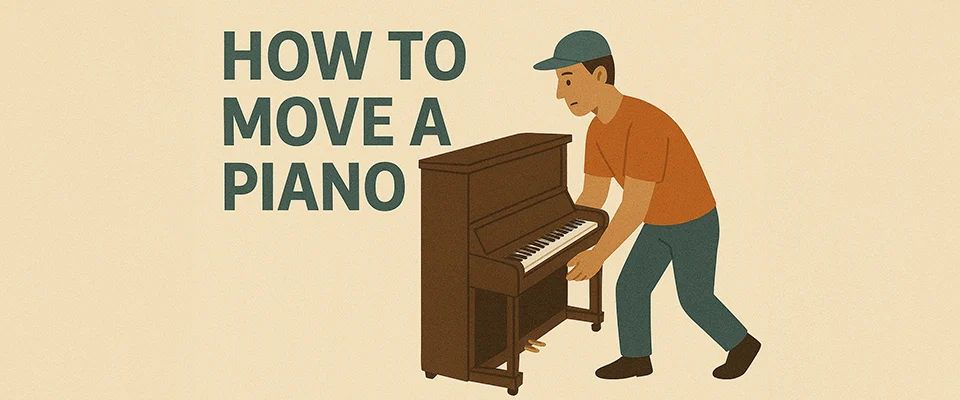
Moving a piano requires careful planning and the right approach to avoid damage. This heavy instrument needs special handling to protect both the piano and your home. Planning your route, getting the right tools, and taking safety steps are all important parts of the process. A professional moving crew can make this job much easier and safer. This guide will walk you through each step to help you move your piano successfully. A spinet piano typically weighs 300 to 500 pounds, while a grand piano can run 500 to 1,300 pounds, so this is rarely a job for two people alone.
Assessing the Moving Path
Check your moving route carefully before you start. Measure all doorways, hallways, stairways, and tight corners along the way. Make sure there’s enough space for the piano to fit through each area. Look for obstacles like furniture or decorations that might get in the way and move them out of the path. Check for uneven floors, loose steps, or other dangers that need extra care. Think about the piano’s weight and size when planning how to get around tricky spots. Clear away anything that could cause someone to trip or fall. Taking time to check the path first helps you spot problems early and makes the move go smoothly. Basements are a common sticking point in Metro Detroit homes specifically, since many upright pianos were moved in before a later basement remodel narrowed the stairwell or added a low header.
Securing Proper Equipment
After checking your route, gather the right tools for moving your piano safely. You’ll need heavy-duty furniture straps, thick padded blankets, a strong dolly with straps, and moving pads. Furniture straps keep the piano attached to the dolly to prevent it from slipping during the move. Padded blankets protect the piano from scratches and dents. A dolly with straps gives you a stable platform to roll the piano on. Moving pads can cover sharp edges on stairs or doorways to prevent damage. Having the right equipment is the key to moving your piano without any problems or damage.
Protecting the Piano Surface
Cover your piano with protective materials to prevent damage during the move. Get moving blankets or special piano covers to protect the surface from scratches and dents. Clean the piano first to avoid trapping dirt that could scratch it. Wrap the blankets tightly around the piano, paying extra attention to corners and edges where damage is most likely to occur. Use packing tape or straps to keep the protective materials in place to prevent movement during transport. Taking care to protect the piano’s surface helps you avoid expensive repairs or refinishing later.
Enlisting Professional Help
Hiring professional piano movers is often the smartest choice for moving your instrument safely. These experts know how to handle delicate items like pianos and have experience moving them without damage. Look for moving companies that specialize in piano transportation. Professional movers have special equipment like piano dollies and ramps designed for this job. They also know how to disassemble and reassemble pianos when needed, which reduces the chance of damage. Letting experts handle your piano gives you peace of mind and makes the whole process safer for your valuable instrument. Professional Movers.com has moved pianos across Metro Detroit since 1978 using its own W-2, background-checked crew rather than day labor or subcontractors, with full details on Piano Moving Services.
Safely Loading and Unloading
Follow proper techniques when loading and unloading your piano to keep it safe. When putting the piano on the moving truck, strap it down securely so it won’t shift during the trip. Use special equipment like a piano dolly or straps to move the piano carefully without causing damage. Put the piano against the front wall of the truck to spread the weight evenly and prevent tipping. When unloading, do the reverse by slowly guiding the piano down the ramp or lift. Don’t make sudden movements that could make the instrument unstable. Being patient and careful when loading and unloading helps your piano arrive safely at its new location.
Frequently Asked Questions
How much does it cost to move a piano in Metro Detroit? Cost depends on piano type, distance, and access, an upright on ground level costs less than a grand piano coming down a flight of stairs. Professional Movers.com provides a written estimate rather than a phone quote for every piano move.
Do I need to disassemble my piano before a move? Uprights are usually moved intact. Grand and baby grand pianos typically need the legs and pedals removed, which is best left to movers experienced specifically with pianos rather than general household movers.
Can a piano go into storage between moves? Yes. Pianos are sensitive to temperature and humidity swings, so climate-controlled storage is recommended over a garage or standard storage unit. See our storage services page for details.