Smart Strategies for Better Organization
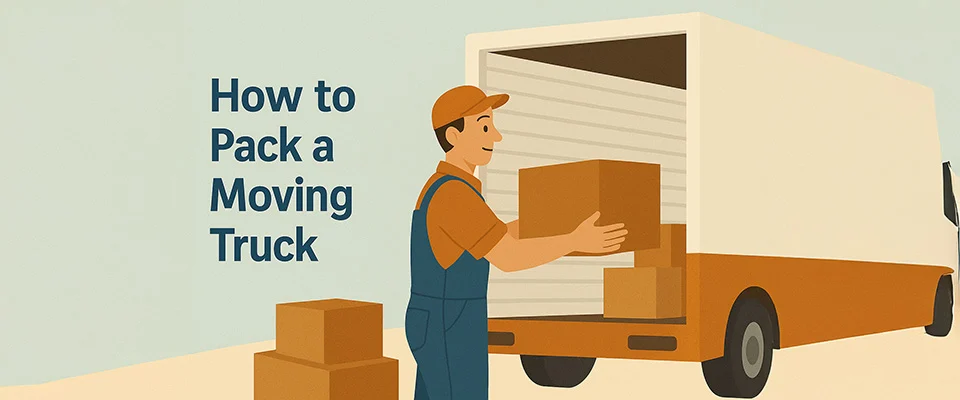
Loading a moving truck properly makes the difference between a smooth relocation and a stressful disaster. Many people think they can throw everything in randomly, but employing smart packing strategies saves time, prevents damage, and makes unloading much easier. Whether working with an expert moving team in Walled Lake or handling the move yourself, understanding proper loading techniques protects your belongings while maximizing space usage. This guide covers the key strategies for organizing your truck efficiently, from assessing space to securing items safely and securely. Following these proven methods helps create a well-organized load that travels safely to your new home.
Assessing Truck Space and Layout
Start by measuring your truck’s length, width, and height to determine the amount of space you have to work with. This helps you plan where different items will go before you start loading. Inspect the truck for any features that may impact your layout, such as wheel wells or tie-down points. These can help or limit where you place certain items. Create a mental plan for your layout before loading anything. Plan to put large furniture pieces first, then fill in with boxes and smaller items around them. Use vertical space by stacking boxes safely, but avoid stacking them too high near the truck’s ceiling. Leave some pathways so you can access items throughout the truck if needed. A well-designed layout plan facilitates faster loading and helps prevent damage during transportation.
Packing Heavy Items First
Load heavy items into the truck first to create a stable foundation for all other items. This prevents your load from shifting during transport, making the truck safer to drive.
- Place heavy furniture pieces against the walls: Use the truck’s walls for support to prevent items from sliding around during transit.
- Stack heavy boxes at the bottom: Put the heaviest boxes on the floor and build lighter items on top to create a stable base.
- Distribute weight evenly: Spread heavy items throughout the truck rather than concentrating them in one area to maintain balance.
- Secure items with straps or ropes: Use tie-downs to keep heavy items from moving while you drive
Heavy items on the bottom also protect the lighter, more fragile items that are placed on top.
Utilizing Moving Blankets and Pads
Moving blankets and pads protect your furniture and fragile items from scratches and damage during transport. Put moving blankets on the truck floor to create a protective layer for everything you load. Wrap wooden furniture, glass cabinets, and other delicate items with blankets before loading them into the truck. For mirrors or artwork, use special mirror boxes or lean them against the truck walls with thick padding for protection. Ensure the blankets and pads are secured with ropes or straps to prevent them from slipping during the move. Taking the time to properly pad your belongings prevents costly damage and makes your move much smoother.
Securing Items with Straps and Ties
Properly securing your items prevents them from shifting, falling, or getting damaged during transport. Different types of straps are more suitable for various items.
- Ratchet Straps: These adjustable straps work best for heavy furniture and appliances that need a secure hold
- Bungee Cords: Perfect for lighter items or things that might shift slightly during the trip
- Tie-Down Anchors: Create attachment points inside the truck where you can connect your straps and ties
- E-Track Straps: These create a flexible securing system that prevents movement throughout the truck
Check all your straps and ties before driving to make sure everything is tight and secure.
Organizing Boxes by Room and Priority
Smart box organization makes unloading much faster and easier at your destination. Group boxes by the rooms they belong in – kitchen, bedroom, living room, and so on. Load important boxes toward the back of the truck so they are among the first to come off when you unload. These might include items you need right away, such as cleaning supplies, basic tools, or essentials for the first day. Label each box clearly with its corresponding room and the level of importance, indicating high, medium, or low priority. This helps you determine which boxes to unload first and where they should be placed in your new home. Keep boxes from the same room together in the truck when possible. This prevents confusion during unloading and helps you stay organized. Good organization makes the entire moving process smoother and helps you settle into your new place faster.
Related Topics: