
Books have a sneaky habit of multiplying the moment nobody’s watching. You fill one box, feel a small sense of progress, then turn around and notice three shelves still packed tight. Plenty of Bloomfield Hills homes hold onto sizable collections built up over the years, novels, cookbooks, reference books, children’s books that go back a decade or more, and packing them without a plan is one of the quickest ways to damage both the books and the person hauling them around. Doing it properly isn’t hard, but it does call for a bit more thought than stacking whatever fits into whatever box happens to be closest.
Our hassle free packing services are available for homeowners who would rather hand the whole thing off, but if you’re managing your own packing services project, here’s what genuinely makes a difference.
Why Books Are Harder to Pack Than Most People Expect
Weight is what trips people up first. Books are dense, and a large box packed full of them can reach 60 or 70 pounds before you’re even halfway through the shelf. Boxes that heavy are a back injury waiting to happen for anyone picking them up, and they’re prone to the bottom giving out if the cardboard isn’t rated for that kind of load. The most common packing mistake our team sees with books isn’t bad wrapping. It’s too many books in a box that was never meant to hold them.
The other problem that catches people off guard is damage, and it shows up in ways people don’t always expect. Books shift during transport and end up with bent spines, crushed corners, or water damage from items packed too close to them. A damp umbrella thrown into the same box as a set of hardcovers, or a travel mug that wasn’t fully sealed, can ruin a collection that took years to put together. Treating books as their own category rather than filler for general boxes prevents most of the common damage.
Box Size Matters More Than You’d Think
For books, smaller boxes are the right call. A standard small moving box, roughly 1.5 cubic feet, is built for this. Medium and large boxes belong with lighter items like linens, pillows, and clothing. The temptation is to pack more into a bigger box and get it done faster, but the physics don’t cooperate. A large box of books will either split at the bottom or become impossible to carry safely, and usually both.
If you’re using boxes collected from a store or a previous move, check the weight rating before committing to them for books. Boxes designed for light items aren’t constructed the same way, and you won’t know the difference until the bottom gives out in the hallway. Proper moving boxes rated for heavier loads are available through our packing services if you need them, along with the other materials that protect items during a Bloomfield Hills move.
The Right Packing Position Protects the Binding
Books can be packed three ways: flat, spine down, or standing upright like they’re on a shelf. Each approach has a different effect on the physical condition of the book.
Flat stacking works well for large, heavy hardcovers. It distributes weight evenly and keeps covers from bending under pressure. Spine down, meaning the book stands on its bottom edge, works for mid-size hardcovers and protects the spine from direct pressure. What you want to avoid is placing books spine up, which puts stress directly on the weakest part of the binding. For paperbacks, packing them together is fine since they’re lighter, but mixing very large hardcovers with small paperbacks in the same box causes the smaller books to shift and get damaged. Grouping by approximate size keeps everything stable and protects what’s inside.
Fill the Empty Space and Protect the Edges
An underloaded box is just as much of a problem as an overloaded one. Books that have room to move around will shift during the ride and arrive with bent corners, scratched covers, and loosened spines. Whatever empty space is left in a box after packing should be filled with packing paper, bubble wrap, or crumpled newsprint. The box should feel solid when you close it, not like things are moving freely inside.
For books with dust jackets that matter to you, wrapping each one individually in packing paper before placing it in the box takes extra time but protects the jacket from tearing and wrinkling in transit. For rare books, first editions, or anything with real monetary or sentimental value, wrapping individually and separating groups with a layer of bubble wrap is worth doing. Dust jackets don’t recover from damage the way furniture can be touched up.
Label Boxes and Communicate Weight to the Crew
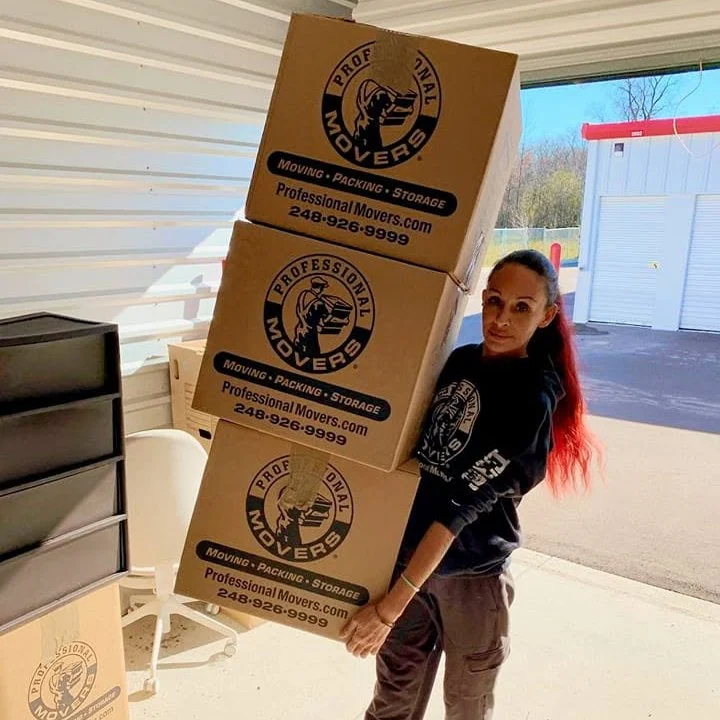
Write “heavy” clearly on the outside of every box containing books, along with the destination room. This tells the crew to handle them differently from the start and keeps them from being stacked under other boxes in the truck. Heavy boxes belong on the floor of the truck, not balanced on top of lighter ones.
If your books are organized in a way you want maintained, a simple note on the box, such as “office shelves, north wall” or “kids’ room, alphabetical,” saves real time during unloading and keeps you from opening six boxes at the new house to figure out where the cookbooks went. Our team works through what we find labeled, and the more specific the labels, the faster and more accurately everything gets placed.
Consider Reducing the Collection Before the Move
Moving is one of the better occasions to take an honest look at what’s actually on those shelves. Books you finished and won’t read again, duplicate copies, outdated reference materials, textbooks from courses you completed years ago: all of these add weight and boxes without adding anything to the new home. A lighter collection means fewer boxes, a faster load time, and less physical weight on the truck.
Bloomfield Hills has local libraries, used bookstores in the area, and community organizations that accept book donations. Scheduling a donation pickup in the days before your move prevents the garage from refilling with things you meant to get rid of. For anything related to what our team handles during a full residential move, including packing, loading, and transport, take a look at our full service overview before reaching out for an estimate through our video estimate option.
Related Topics: