
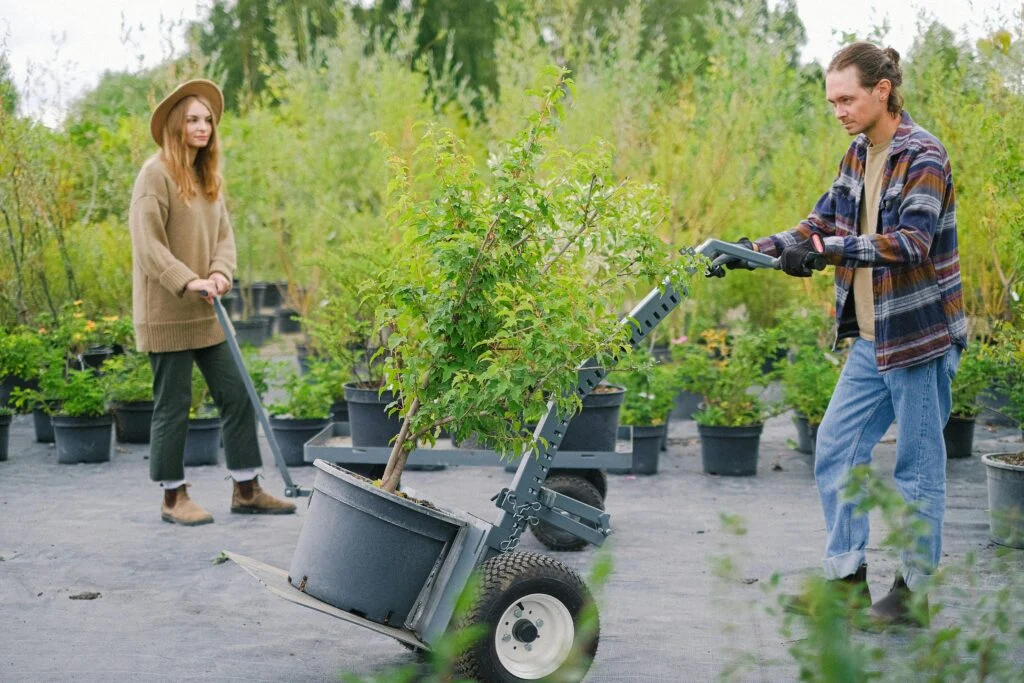
Moving your plant collection across state lines or cross-country brings its own set of challenges that most movers don’t deal with. Your leafy friends can’t exactly pack themselves into boxes, and they’ve got specific needs that change with every mile. Whether you’re coordinating safe, efficient moves in Walled Lake or heading somewhere completely different, getting plants from point A to point B alive and thriving takes some planning. This guide covers everything from checking plant health before you go to keeping them comfortable during the actual trip, so your green companions arrive ready to settle into their new home.
Assess Plant Health and Needs
Start by giving each plant a solid once-over well before moving day hits. Look at the leaves, stems, and roots for anything that seems off – brown spots, weird discoloration, bugs crawling around, or roots that look mushy or damaged. A sick plant won’t handle the stress of travel well, so catching problems early gives you time to treat them. Each plant also has its own personality when it comes to light, temperature, and water. Some are drama queens that need constant attention, while others can handle being ignored for a week. Knowing what each one needs means you can plan their transport accordingly and avoid showing up with a car full of wilted disasters.
Prune and Repot as Necessary
Getting rid of dead or damaged parts before the move makes everything easier. Pruning back overgrown branches or yellowing leaves means less bulk to deal with and helps the plant focus its energy on staying healthy during transport. Just make sure your pruning shears are clean – dirty tools spread disease like nobody’s business. If your plants have been in the same pot forever, consider repotting them into something slightly bigger. Not huge, just enough room for the roots to spread without ending up in a pot that holds too much water. Fresh, well-draining soil gives plants a nutrition boost right when they need it most. Loosen up those root balls a bit when you repot so they can grow outward and grab nutrients better during the stressful moving period.
Choose Suitable Containers for Transport
Pick containers that give roots a bit more room than they currently have – nothing crazy, just enough space to stay comfortable. The goal is to avoid root-bound plants that get stressed and unhappy during the trip. Go for lightweight plastic or fabric pots instead of heavy ceramic ones that’ll make your moving load ridiculous. Drainage holes are non-negotiable since water sitting in the bottom leads straight to root rot. Containers need secure lids or covers to keep soil from spilling everywhere when you hit a bump. Slap a label on each one with the plant’s name and any care notes so you remember who needs what when you’re exhausted and unpacking.
Secure Plants for the Journey
Plants sliding around loose in your vehicle is asking for broken stems and spilled soil everywhere. Position each container so it fits snugly and won’t shift when you brake or turn. Stuff newspaper or bubble wrap into any gaps to keep things cushioned and stable. Use plant ties or soft restraints to stop taller plants from tipping over – nothing too tight, just enough to hold them upright. Bigger plants go on the floor where they’re more stable, while smaller ones can sit on flat surfaces as long as you’ve secured them properly. Taking these steps means your plants actually make it to the destination in one piece instead of becoming casualties of the highway.
Plan for Proper Ventilation and Light
Plants stuck in containers without airflow get hot, humid, and stressed really quickly. Pick containers with ventilation holes or lids that let air move through while still protecting the plant. Heat and moisture building up can damage leaves and encourage mold, neither of which you want. Light is the other piece of the puzzle since plants still need photosynthesis even when they’re traveling. That said, direct sun beating down through car windows can cook them, so aim for indirect light or a spot that’s bright but not blazing. If you’re moving during winter or the trip takes multiple days, portable grow lights can keep photosynthesis happening without risking sunburn or overheating.
Monitor Plant Condition During Transit
Check on your plants regularly during the trip rather than just loading them up and forgetting about them. Look at the leaves for wilting, yellowing, or bugs that might’ve hitched a ride. Stick your finger in the soil to see if it’s staying slightly moist without getting waterlogged. Make sure plants aren’t getting blasted by extreme temps or sitting in direct sun too long, both of which cause serious stress. If you notice broken stems, drooping leaves, or anything else that looks wrong, deal with it right away instead of waiting. Staying on top of how your plants are handling the journey means you can fix small problems before they become big ones, and everyone arrives at the new place ready to thrive.
Related Topics: