Packing clothes for a long-distance move often feels simple until boxes start piling up and space runs out faster than expected. People who have moved with the help of careful residential movers know that clothing can take up more room than planned if it is not handled early and thoughtfully. This article focuses on realistic ways to prepare, pack, and protect clothes so they arrive in wearable condition without turning unpacking into a drawn-out task.
Sorting and Decluttering
Before any boxes come out, clothes should be sorted with honesty. Items that no longer fit, feel uncomfortable, or sit untouched for years usually do not need to make the trip. Separating clothes based on how often they are worn helps narrow down what matters. Seasonal items can be packed separately, while sentimental pieces should be considered carefully rather than automatically kept. Letting go of unused clothing reduces packing time and makes settling into a new home easier.
Choosing the Right Packing Supplies
Clothes last through a move when they are packed with materials that match their needs. Strong boxes help prevent crushing, while soft wrapping protects delicate fabrics from friction. Garment bags work well for items that wrinkle easily or need to stay on hangers. Clear containers can help with visibility for items that may be needed soon after arrival. The tape should hold firmly without loosening during travel. The right supplies keep clothing clean, organized, and protected throughout the move.
Organizing Clothes by Category
Grouping clothes by type helps keep packing under control. Shirts, pants, dresses, and outerwear are easier to manage when packed together rather than mixed randomly. Sorting by fabric weight or season can also help prevent wrinkles and damage. Clear labeling makes unpacking less frustrating, especially after a long trip. Organization at this stage saves time later when clothes are being put away.
Utilizing Space-Saving Techniques
Clothes can take up less space when packed with intention. Rolling often works better than folding, especially for casual wear. Bulky items can be compressed to free up room, making boxes easier to stack. Smaller pieces like socks or accessories fit well into empty corners and gaps. Weight should be balanced so boxes stay stable during transport. Making smart use of space helps reduce the number of boxes needed.
Maximizing Suitcase and Box Efficiency
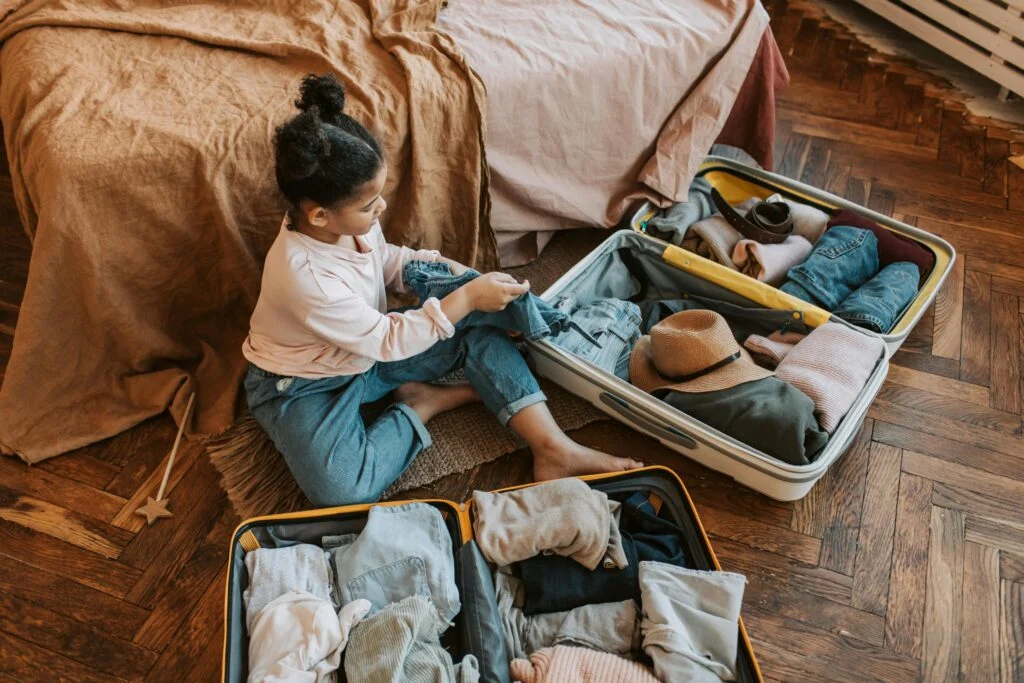
Suitcases and boxes work best when items are arranged with purpose. Clothing packed tightly stays in place and wrinkles less. Shoes can hold smaller items to avoid wasted space. Heavier clothing should sit lower so lighter fabrics are not pressed down. Empty spaces invite shifting, so soft items can be used as padding. Labeling boxes helps speed up unpacking and keeps clothing organized from start to finish.
Protecting Delicate Fabrics
Delicate fabrics need extra care during a long move. Items made from fine materials should be wrapped individually to avoid snagging or friction. Lightweight padding helps maintain shape without adding bulk. Boxes should never be overfilled, as pressure leads to wrinkles and damage. Softer garments can act as cushioning for more fragile pieces. Clear markings help ensure careful handling during loading and unloading.
Related Topics: