Efficient Planning and Organization
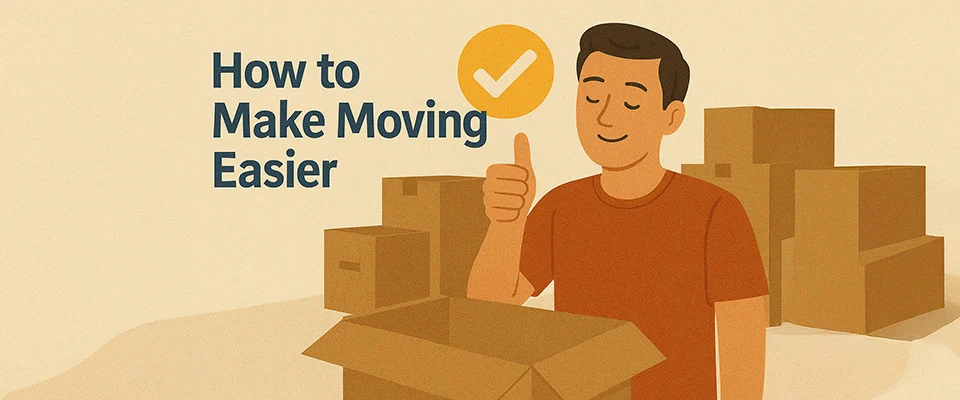
A professional moving team can make your relocation much smoother, but there are many things you can do yourself to reduce stress and save money. Moving doesn’t have to be overwhelming if you plan and stay organized. Good preparation makes the difference between a chaotic move and a manageable one. This guide outlines the essential steps to simplify your move, from decluttering to packing efficiently and collaborating with professionals when necessary.
Declutter and Minimize Possessions
Getting rid of items you don’t need is the first step to making a move easier. Go through each room and sort items into three categories: keep, donate, and discard. If you haven’t used something in the past year, you don’t need it. Moving fewer items means paying less for boxes, packing materials, and moving services. Host a garage sale or sell valuable items online to earn extra money. Donate clothing, books, and household items to local charities. Throw away anything that’s broken or worn out. Begin this process several weeks before your move.
Develop a Detailed Moving Timeline
Creating a timeline helps you stay organized and avoid last-minute panic. Start planning 8-10 weeks before your moving date. Make a list of everything you need to do and assign deadlines to each task. Important tasks include researching moving companies, ordering packing supplies, notifying your bank of your address change, and transferring utilities. Break big jobs into smaller steps. Include extra time for unexpected delays. Write your timeline on a calendar or use a phone app to track progress.
Pack Strategically and Efficiently
Smart packing protects your belongings and makes unpacking easier. Use small boxes for heavy items, such as books, and large boxes for light items, like pillows. Pack heavy items at the bottom of each box and lighter items on top. Wrap fragile items in bubble wrap, newspaper, or towels to protect them from damage. Fill the empty spaces in boxes with packing paper to prevent items from shifting around. Don’t overfill boxes – they should close easily. Pack a box of essentials you’ll need right away in your new home, such as toiletries, medications, and phone chargers.
Label Boxes Clearly and Systematically
Good labeling saves time and frustration when you’re unpacking. Write on the top and sides of each box so that you can read the label, regardless of how the box is stacked. Include the room where the box belongs and a brief description of what’s inside. For example, write “Kitchen – dishes and utensils” instead of just “kitchen stuff.” Number your boxes and keep a list of the contents of each numbered box. This helps if you need to find something specific quickly. Use colored stickers or markers for different rooms – blue for the kitchen, red for the bedroom, etc. This helps movers place boxes in the correct rooms without needing to read every label. Please take photos of valuable items before packing them in case you need the information for insurance purposes.
Arrange Professional Help and Resources
Even if you’re doing most of the work yourself, professional help can be worth the cost of certain tasks. Here are ways to get the right support:
- Research Moving Companies: Look online for companies with good reviews and check if they’re licensed and insured.
- Get Multiple Quotes: Contact at least three companies to compare prices and services before making a decision.
- Schedule Services Early: Book your moving company 4-6 weeks ahead, especially during busy times like summer.
- Utilize Packing Services: Consider hiring professionals to pack fragile or valuable items, such as artwork, electronics, or antiques.
- Explore Storage Options: Consider storage units if you need a temporary storage space for your belongings during the move.
Getting help with the most challenging aspects of moving allows you to focus your energy on tasks you can handle yourself.